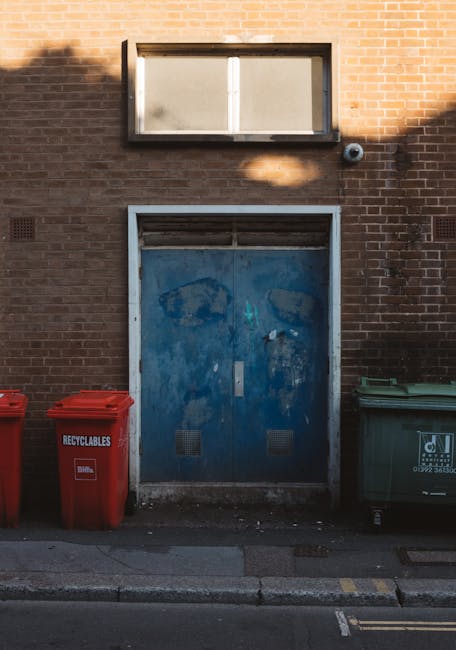
Rubbish Clearance for Highbury Flats with Free Quote Today
If you live in a Highbury flat, you already know the awkward bits of rubbish clearance: narrow stairwells, no lift, neighbours who notice everything, and the constant question of where on earth that broken sofa is supposed to go. Rubbish Clearance for Highbury Flats with Free Quote Today is the straightforward answer when you need clutter gone without turning the day into a full-scale mission. Whether it is a few heavy items, a post-move clear-out, or a flat packed with old furniture, the right service should make it simple, tidy, and surprisingly calm.
This guide explains how flat rubbish clearance works, what to expect, where the usual problems crop up, and how to choose a practical service with confidence. If you want a cleaner space and a quicker decision, you are in the right place.
Expert summary: the best flat clearance is not just about lifting items away. It is about access, timing, sorting, safety, and making sure you are not left with a half-finished mess or avoidable extra cost. Simple enough in theory. A bit more nuanced in real life.
Why Rubbish Clearance for Highbury Flats with Free Quote Today Matters
Flat living changes the rules. What looks like a simple clear-out in a house can become a squeeze-and-carry puzzle in a first-floor or top-floor apartment. In Highbury, that often means stairwell corners, limited kerbside space, resident parking pressure, and the need to keep common areas clean and respectful. One old mattress left in a hallway can feel like it has suddenly become everyone's problem.
That is why rubbish clearance for flats matters so much. It is not just about getting rid of clutter. It is about avoiding blocked access, reducing lifting risk, keeping shared spaces safe, and making sure items leave the building in one efficient visit. For many residents, a free quote is the quickest way to understand the likely cost before committing to anything.
There is also the emotional side. Clutter has a way of quietly taking over. Bags stack up by the door. A wardrobe panel leans against the wall for three weeks. The spare room becomes a graveyard of "I'll deal with that later" items. Then one morning you realise the flat feels smaller than it actually is. A well-planned clearance can restore breathing room almost immediately.
If you are comparing services, it helps to look beyond the headline promise. Reputable providers usually explain how access is handled, what can be taken, and how pricing is built. Pages such as pricing and quotes and recycling and sustainability can give a useful sense of how a professional service should think about cost and disposal, not just collection.
How Rubbish Clearance for Highbury Flats with Free Quote Today Works
The process is usually easier than people expect. In most cases, it starts with a quick description of what needs removing, followed by a quote based on volume, item type, access, and any special handling requirements. If the job is straightforward, the collection can often be arranged for the same day or a nearby slot.
Here is the basic flow:
- Share what needs clearing. A short list works best. Think in practical terms: bags of waste, old furniture, white goods, boxes, broken shelving, or loft overflow.
- Explain the access. Mention stairs, lifts, parking restrictions, narrow hallways, and whether items need to come from one room or multiple floors.
- Receive a free quote. A proper quote should be clear about what is included and any likely extras, especially if the job involves heavy lifting or unusual waste.
- Book a suitable time. Morning or early afternoon collections are often easier in busy streets and shared buildings.
- Prepare the items. Keep clear what is going and what is staying. It sounds obvious, but people do mix them up. More often than they admit.
- Collection and loading. The team should remove items carefully, protect walls and communal areas where needed, and load efficiently.
- Sorting and disposal. Reusable items, recyclable materials, and general waste should be separated sensibly where possible.
In a flat, timing and access matter more than in many other settings. If there is a lift, it may not fit bulky furniture. If there is no lift, carrying a sofa down several flights is slower and more physically demanding. That is exactly why a detailed quote is useful. It saves the back-and-forth later.
For larger clear-outs, you may also want to compare rubbish clearance with related services such as flat clearance or home clearance if the job has spread beyond one room. If the items are mainly furniture, furniture clearance may be the better fit.
Key Benefits and Practical Advantages
The obvious benefit is that the rubbish disappears. Nice. But the real value is in everything that happens around that moment.
- Faster turnaround. You get the space back quickly, which matters when you are moving, decorating, renting out a flat, or just tired of the mess.
- Less physical strain. Heavy lifting through narrow stairwells is where DIY plans start to wobble.
- More predictable costs. A free quote gives you a clearer idea before anyone turns up with a van.
- Better space management. Clearing bulky waste can make a flat feel much more liveable straight away.
- Safer common areas. Shared hallways are not the place to leave bags and broken furniture overnight.
- Less stress for neighbours. A quick collection is usually far easier on everyone than a drawn-out DIY removal.
There is also the practical benefit of not having to figure out the disposal route yourself. That matters more than it sounds. Fridges, mattresses, broken appliances, and mixed waste each have their own handling concerns. If you are dealing with items like these, related services such as fridge and appliance removal or mattress and sofa disposal may be helpful to look at alongside a general clearance.
Practical takeaway: the best clearance job is the one that feels almost boring by the end. No drama, no damage, no lingering pile by the front door. Just space. Clean, usable space.
Who This Is For and When It Makes Sense
Not every bit of rubbish needs a specialist service, of course. A few household bags can go out with your normal routine. But rubbish clearance becomes the sensible choice when the volume, weight, awkwardness, or time pressure starts to get in the way.
This is usually a good fit for:
- tenants moving out of a Highbury flat
- landlords preparing a property for new occupants
- homeowners clearing after a refurbishment
- people dealing with inherited belongings or a sensitive house-to-flat transition
- students or sharers leaving behind bulky items that will not fit in bins
- anyone staring at a corner of unwanted furniture and thinking, "that is not moving itself"
It also makes sense if you are dealing with mixed rubbish. A flat clear-out is often not just "rubbish" in the usual sense. It might include old chairs, bags of clothes, cardboard, broken shelving, a freezer that stopped working years ago, and a pile of odds and ends from the loft cupboard. Mixed loads can be more efficient to clear professionally than trying to split everything into several separate runs.
If your situation includes a lot of furniture, you may find it useful to check furniture disposal. If the clutter has spread into other parts of the property, house clearance or loft clearance may be closer to what you need. Truth be told, most people do not need a perfectly named service. They need the right one for the pile in front of them.
Step-by-Step Guidance
If you want a smooth experience, a bit of planning goes a long way. Here is a simple approach that works well in flats.
1. Walk through the flat and sort items by category
Group items into broad types: furniture, electricals, bagged rubbish, cardboard, and anything potentially hazardous. This makes it easier to describe the job and easier for the team to quote accurately.
2. Separate keep, donate, recycle, and remove
Do this before collection day if possible. It sounds basic, but one wrongly placed box can create the classic "wait, I needed that" moment. Label bags or stack keepers in one corner so there is no confusion.
3. Check access in advance
Measure doorways if you are unsure about large items. Make note of stairs, lift size, and parking. If the van cannot stop near the entrance, mention that early. It can change the quote and the timing.
4. Ask what the quote includes
Make sure you know whether loading, lifting, disposal, and recycling are included. Ask about heavy items too. A good quote should not feel slippery. It should feel like a proper answer.
5. Prepare communal spaces
Clear the hallway route if you can. Keep the lift free if your building has one. Let neighbours know if the collection might briefly use shared access. A little courtesy saves a lot of awkwardness.
6. Stay available on the day
Someone should be on hand to confirm what is going and what stays. If you live in a managed block, check whether building rules require prior notice. Not every block does, but enough of them do that it is worth asking.
7. Review the cleared space afterwards
Once the rubbish is gone, take a minute to check corners, cupboards, and behind doors. That's usually where one forgotten lamp or photo frame likes to hide.
Expert Tips for Better Results
A few small habits can make a big difference, especially in flat clearances where access is tight and time is precious.
- Be specific in your first message. "Two wardrobes, one mattress, six bags, and some boxed junk" is far more useful than "a bit of rubbish."
- Photograph the load. A few clear photos can help with quoting and avoid misunderstandings.
- Keep a safe path open. If the team has to move bulky items through a cluttered hallway, everything takes longer.
- Tell them about awkward items. For example, a fridge in a narrow kitchen or a sofa that barely cleared the lift doors on the way in.
- Book before deadlines bite. End-of-tenancy dates and contractor handovers have a funny way of arriving quickly.
- Ask about recycling. A responsible provider should aim to divert suitable materials away from landfill where practical.
One little human tip: if you are feeling overwhelmed, start with the obvious stuff. One bag, then one shelf, then one corner. That first visible change can make the whole job feel less heavy. Not glamorous, but effective.
For bulky or awkward items, it can also help to compare the job against builders waste clearance if your flat has been renovated, or garage clearance if you are effectively dealing with a storage overflow situation. The category matters less than the practical handling, really.
Common Mistakes to Avoid
Most clearance problems are preventable. The tricky part is that they often look small right up until they cause delay or extra cost.
- Underestimating volume. A few extra bags can make a big difference in a flat where every trip counts.
- Forgetting access issues. A tight staircase or lack of parking can turn a simple load into a longer job.
- Mixing special items with general waste. Fridges, hazardous items, and confidential materials need separate handling.
- Leaving everything until the last minute. Tenancy handovers are stressful enough already.
- Assuming all quotes are the same. Some include more than others. Some do not. Ask.
- Not checking what stays behind. It happens. The most irritating version is when something useful gets taken by accident.
Another common slip is forgetting that flat blocks can have rules about waste storage, lift use, and loading times. That does not mean clearance is difficult. It just means a quick call or message beforehand can save a lot of faff later.
Tools, Resources and Recommendations
You do not need much to prepare for a flat rubbish clearance, but a few simple tools help enormously.
- Sticky labels or masking tape for marking keep items
- Black bags or sturdy clear sacks for loose waste
- Measuring tape for checking bulky furniture against doors and lifts
- Phone camera for photographing loads before collection
- Gloves if you are sorting dusty storage items
- Basic trolley or hand truck if you are moving smaller items internally before the team arrives
On the service side, it is worth reviewing pages that explain how a provider handles pricing, safety, and materials. For example, insurance and safety is a sensible place to understand the care expected around lifting and access, while payment and security can reassure you about how transactions should be handled. If you are comparing service quality, those details matter. A lot, actually.
If recycling is important to you, look at recycling and sustainability too. It is a decent sign when a company talks clearly about sorting and responsible disposal rather than treating everything as one giant bin.
Law, Compliance, Standards, or Best Practice
For rubbish clearance in flats, compliance is mostly about common-sense responsibility done properly. You do not need to become an expert in waste rules overnight, but you should expect a professional service to handle waste in line with UK best practice and relevant duty-of-care principles.
In practical terms, that means:
- sorting materials sensibly where possible
- handling electrical and bulky items carefully
- avoiding unsafe storage in communal areas
- being mindful of hazardous or restricted waste
- protecting the building and other residents during removal
If your items include anything that could be hazardous, do not guess. Ask first. Items such as certain chemicals, sharp waste, or contaminated materials may need a different approach. For those kinds of jobs, hazardous waste disposal is the more appropriate route. If you are unsure whether something belongs in a general load, it is better to flag it early than to leave it sitting in the kitchen while everyone awkwardly avoids it.
Confidential documents are another good example. If a flat contains papers from a home office, a move, or a tenant clear-out, you may want to use confidential shredding rather than putting papers into general rubbish. It is a simple precaution, and very sensible.
Best practice is not just about disposal. It is also about access safety, respectful conduct in shared buildings, and transparent pricing. If a provider is vague about those basics, that is your cue to slow down and ask more questions.
Options, Methods, or Comparison Table
People often compare rubbish clearance with a skip or a DIY run to the tip. Each option has a place, but the right one depends on access, volume, and time.
| Method | Best for | Pros | Trade-offs |
|---|---|---|---|
| Professional rubbish clearance | Flats, bulky waste, mixed loads, limited time | Fast, labour included, less stress, suitable for awkward access | Cost depends on load and access |
| Skip hire | Ongoing renovation waste or larger projects | Good for repeated disposal over several days | Needs space, permits may be needed, loading is your job |
| DIY trips to disposal facilities | Small amounts and flexible schedules | Can be economical for very small jobs | Time-consuming, physically demanding, less practical for flats |
For some projects, it helps to understand what a skip can and cannot take. The page on what can go in a skip is useful if you are weighing up whether a skip is actually the best fit. In many Highbury flats, though, clearance service wins simply because access is easier and the lifting is handled for you.
If your project is business-related rather than domestic, business waste removal or office clearance may be a better match. Different job, different rhythm.
Case Study or Real-World Example
Here is a realistic scenario. A tenant in a Highbury flat is moving out on Friday afternoon. The flat has two flights of stairs, no lift, and a narrow front hall. Over the years, the spare room has filled with an old chair, several black bags, a dismantled desk, and an appliance that stopped working long ago. Nothing unusual. Just the sort of pile that quietly grows when life gets busy.
Instead of trying to tackle it with a borrowed car and three separate trips, the tenant arranges a free quote in advance, shares a few photos, and mentions the stairs. The collection is planned for a time when access is easiest. The team arrives, removes the bulky items carefully, clears the bags in one go, and leaves the hallway tidy. The tenant gets the keys handed back on time. No last-minute panic. No arguments over what should be kept. No panicked sweep for the missing charger either, which is a miracle in itself.
What made that work? A clear description, honest access details, and a realistic expectation of what needed removing. That is usually the formula. Nothing fancy.
Practical Checklist
Use this quick checklist before your flat rubbish clearance:
- List every item that needs to go
- Separate anything you want to keep
- Take photos of larger items
- Note stair access, lift access, and parking restrictions
- Flag heavy, fragile, or unusual items
- Ask what is included in the free quote
- Check whether communal access needs permission or notice
- Make sure hazardous items are identified early
- Keep pathways clear on collection day
- Review the flat afterwards to ensure nothing important was missed
Quick sanity check: if the job feels too awkward to lift, too bulky to carry, or too urgent to delay, you probably already have your answer.
Conclusion
Rubbish clearance for Highbury flats is one of those jobs that can look minor from the outside and feel surprisingly stressful from the inside. Stairs, neighbours, access, timing, and bulky items all add up. The good news is that a proper service can take the pressure off quickly, especially when you start with a free quote and a clear description of the work.
Whether you are clearing after a move, dealing with old furniture, or finally making peace with the cupboard you have avoided for months, the key is to keep it simple: know what is going, check access, ask the right questions, and choose a team that handles the job with care. That is usually enough to turn a messy day into a manageable one.
Get a free quote today and see how much you can save.
And if you are still standing in the middle of the flat wondering where to begin, start with one bag. Then another. It always gets easier once the first corner is clear.
Frequently Asked Questions
What is included in rubbish clearance for Highbury flats?
It usually includes collecting unwanted items from the flat, loading them safely, and arranging disposal or recycling. The exact scope depends on the provider and the type of waste, so it is sensible to confirm whether labour, lifting, and disposal are included in the quote.
How does a free quote for flat rubbish clearance work?
You normally describe the items, share photos if asked, and explain access details such as stairs or lift use. The quote is then based on volume, item type, and any handling challenges. A good quote should be clear, not vague.
Can bulky furniture be removed from a flat?
Yes, bulky furniture is one of the most common reasons people book clearance. Sofas, wardrobes, beds, and shelving can usually be removed, but access matters. If the item is especially large or awkward, mention that early.
What if my flat has no lift?
No lift is not a problem in itself, but it can affect timing and price because items must be carried downstairs. Be upfront about the stairs so the team can quote accurately and plan the right amount of time.
Is rubbish clearance better than skip hire for a flat?
For many flats, yes. Clearance is often more practical because the lifting is done for you and you do not need space for a skip outside the building. Skip hire can suit bigger refurbishment projects, but it is less convenient in many apartment settings.
Can you clear mixed household waste and furniture together?
Usually, yes. Mixed loads are common in flat clearances. Bags, boxes, chairs, small appliances, and general clutter are often collected together, provided none of the items need separate handling.
What should I do with fridges, mattresses, or old appliances?
Flag them in advance. These items often need special handling, and it is better to identify them at quote stage. Related services such as appliance removal or mattress and sofa disposal may be more suitable for those pieces.
How quickly can a rubbish clearance be arranged?
Often quite quickly, depending on schedule and access. Some jobs can be arranged for the same day or the next available slot, especially if the load is straightforward and the details are clear.
Do I need to be present during collection?
Usually someone should be available to confirm what is being removed and answer any access questions. If the provider has clear instructions and permission to enter, arrangements may be possible, but that should always be agreed in advance.
How can I make the clearance go more smoothly?
Sort items beforehand, keep pathways clear, explain access issues, and be specific about what needs removing. A few photos can help too. The more precise you are, the fewer surprises on the day.
What happens to the rubbish after it is collected?
Collected items should be sorted for reuse, recycling, or disposal where possible. Responsible handling is part of good practice, and it is worth checking how a company approaches recycling and sustainability before you book.
Where can I read more about the company before booking?
It is sensible to review pages like about us, terms and conditions, and insurance and safety if you want a better feel for how the service operates and what standards to expect.
If you still have questions, a direct conversation is often the quickest way to get clarity. A good provider should be happy to talk through the awkward bits. That is half the job, really.