Commercial Waste Removal in Islington
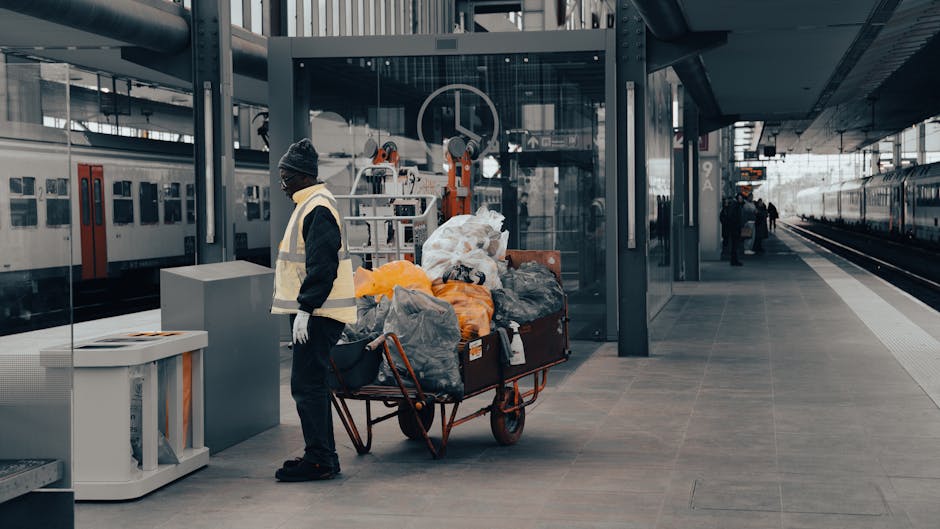
Commercial waste removal in Islington needs a practical, dependable approach that suits busy premises, shared access points and regular business routines. Our service covers the collection and responsible handling of everyday office and trade waste, helping businesses clear unwanted materials without turning disposal into a distraction from day-to-day operations. Whether you are managing a small office, a retail unit, a hospitality space or another commercial premises, the focus stays on removing waste cleanly and sorting it for the most suitable next step.
We handle a wide range of commercial waste streams, including mixed general waste, office furniture, packaging, redundant fixtures and other non-hazardous items that build up over time. Where items can be reused, recycled or separated, we aim to deal with them sensibly rather than simply treating everything as one load. If you need a structured service for ongoing clear-outs or a one-off visit, our commercial waste removal work is built around straightforward collections that help you regain usable space.
For a better idea of what is suitable for collection, the what can go in a skip guidance can be a useful starting point when you are reviewing mixed waste. If you already know roughly what needs taking away, you can still make a quick enquiry and ask for a quotation in plain terms. Get in touch when you are ready to compare options and plan the right collection.
Commercial collections for everyday business waste
Many businesses need a reliable way to clear routine waste that is too bulky, awkward or numerous for standard bins. Our collections are suited to offices, shops, studios, clinics and other commercial settings where items accumulate in back rooms, storage areas or shared corridors. We can remove office furniture, dismantled fittings, sacks of mixed rubbish and other waste that is ready to leave the site, while keeping the process orderly and as unobtrusive as possible.
For businesses thinking about a recurring or periodic arrangement, it helps to separate the main waste types before collection day. That can make it easier to decide what should be removed, what can be retained and whether any items deserve separate handling. A sensible plan often keeps the task focused. If you are comparing ways to manage a larger clear-out, see the practical detail on business waste removal before you ask for a quotation.
What this type of collection is designed to handle
Commercial waste is not always neat or predictable. It may include archived paperwork, packaging from deliveries, worn-out fixtures, damaged shelving, old display units or equipment that has reached the end of its useful life. Our service is intended to deal with that kind of real-world mixture. Where items are bulky, stacked in storage or difficult to move through a working building, the work is planned so the removal can happen with minimal interruption to the premises.
Office clear-outs and furniture disposal
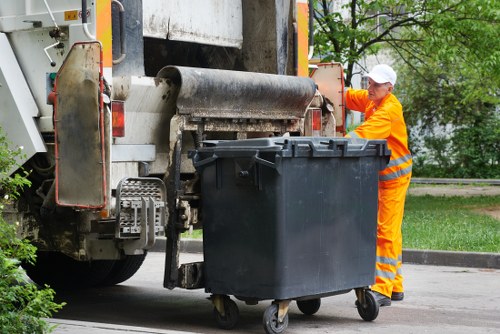
Office waste often builds up in waves rather than steadily. A refit, desk refresh, team relocation or storage review can leave a premises with surplus chairs, cabinets, screens, pedestal units and other pieces that no longer serve a purpose. Our office-related collections are designed to remove those items in a controlled way, with attention to access, lifting and sorting so that the clear-out feels manageable rather than chaotic.
If you need to clear a working floor while keeping certain items in place, it usually helps to identify the furniture that is staying versus the furniture that is leaving. That reduces confusion when rooms contain similar pieces or when several departments share the same area. You can also look at the practical scope of office clearance if your enquiry involves a broader room-by-room or building-wide tidy-up. Clear instructions are useful, but they do not need to be elaborate; a simple outline of the load is often enough to begin.
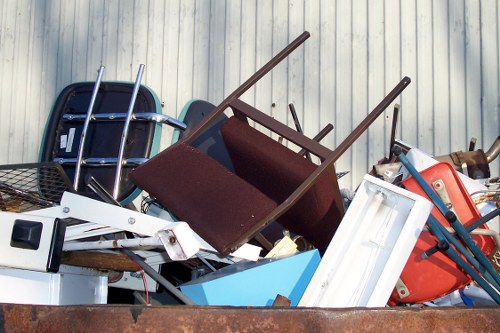
Furniture disposal for commercial premises may include desks, meeting tables, filing units, reception pieces and other office fittings that are no longer needed. We also deal with some mixed items that come with a workplace clean-out, provided they are within the service scope and suitable for collection. Where possible, items are separated to support reuse or recycling rather than being treated as a single waste stream. That practical approach helps turn a cluttered office into a clearer, easier space to work in.
Furniture, fixtures and larger item removal
Commercial premises often contain items that are too awkward for ordinary bins but too important to ignore until later. Old counters, shelving, display units, waiting-room seating and back-office fixtures can all take up room once they are no longer needed. Removing them properly frees circulation space and reduces the risk of clutter spreading into areas used by staff or customers. Our service is suited to these bulkier items when they are ready to leave the site.
For many businesses, the key decision is whether a load should be taken away as a mixed collection or split into more specific groups. That depends on what is present, how it is stored and whether separate handling would make the work simpler. If your collection is mostly furniture-related, the furniture clearance page gives a clearer picture of that kind of task. We aim to remove items in a practical order, especially where access is tight or several large objects are positioned in the same room.
Some businesses also need help with older domestic-style items from staff rooms, customer areas or small support spaces, and those can sometimes overlap with general furniture disposal work. Where an item is simply no longer wanted and is suitable for removal, the emphasis is on safe handling and sensible sorting. That can apply whether the item is a single bulky piece or part of a wider commercial clear-out.
Recycling, disposal and responsible handling

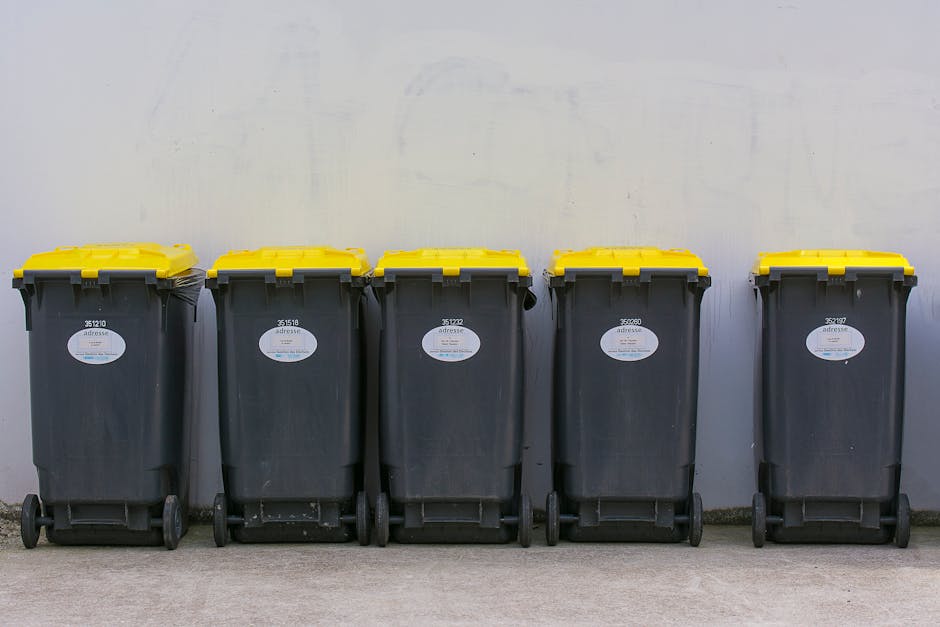
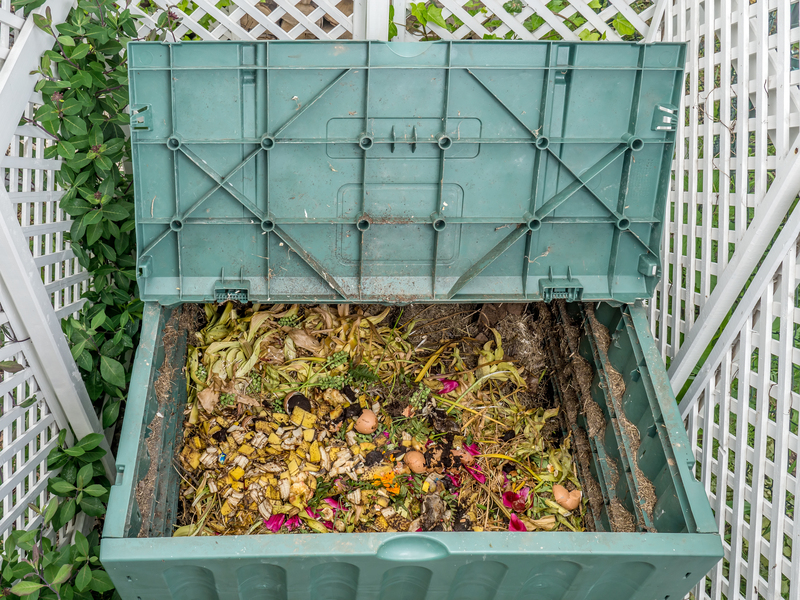
Not every item removed from a commercial property should follow the same route. Cardboard, metal, timber, mixed recyclables and general waste may each need different handling depending on what is in the load. Our approach is to sort what can be separated and to pass on suitable materials for recycling wherever that is practical and appropriate. That gives businesses a clearer way to manage waste without treating every item as identical.
Responsible disposal matters most when a property contains a varied mix of materials from different parts of the business. Packaging from deliveries, old paperwork, worn display materials and broken furniture can all appear together, and it is often more efficient to review the load before collection. If sustainability is a factor in your decision, the more detailed notes on recycling and sustainability can help you think through the available options. Good sorting is usually easier than sorting late, after a pile has already built up.
We also handle collections in a way that keeps the waste trail straightforward for the customer. That means making the enquiry, collection and disposal stages feel connected rather than scattered across different providers or processes. When businesses want to clear waste while keeping control of what happens next, this kind of joined-up handling is often the most useful starting point. Use that to guide your quotation request if the load includes several material types.
Hazardous or special items and when extra care is needed
Some commercial waste requires more thought than standard office rubbish. Items may include damaged appliances, materials with residue, broken fittings or other objects that are unsuitable for a general mixed load. Where special handling is needed, the main point is to identify the item clearly so the disposal route can be judged properly. A careful description helps avoid confusion and reduces the chance of unsuitable waste being added to an ordinary collection.
Businesses often ask how to deal with items that seem borderline between general waste and specialist disposal. The honest answer is that the right route depends on what the item is, how it was used and whether any restrictions apply. If you have a potentially sensitive load, the hazardous waste disposal page is the best place to check the scope before arranging a quotation. That is especially useful when the waste contains substances, contamination or contents that should not be handled casually.
For ordinary commercial clearances, the process remains focused on safe loading, lawful disposal and sensible segregation. If the job includes mixed items, we can still discuss what is suitable and what may need separate treatment. It is better to flag unusual material early than to leave it buried in a wider pile of waste. That keeps the quotation more accurate and the collection easier to plan.
Office records, confidential material and secure disposal
Some businesses need more than general rubbish removal because their waste includes paperwork, archives or items that should not be left exposed. Confidential material can build up in storage cupboards, filing areas and back offices, particularly when records are being reviewed or office layouts are changing. In those situations, the service has to do more than simply take away bags and boxes; it also needs to respect how sensitive material is identified and handed over.
Where shredding or secure destruction is part of the brief, it is worth separating that from standard waste at the point of enquiry. That makes it easier to avoid accidental mixing and allows the collection to be arranged in the most suitable way. You can review the dedicated confidential shredding option if the load includes paperwork or records that should be handled carefully. Keep any non-sensitive items grouped separately where possible, so the rest of the collection stays efficient.
Confidential disposal is often most useful when it is handled as one clear task rather than left to chance during a general clear-out. That applies to office records, archived files and paperwork from temporary storage as well as to mixed workplace items. If your business needs a quotation, mention the presence of documents early so the collection plan matches the material involved. That one detail can make the process much smoother.
How to prepare a commercial waste collection

Preparation does not need to be complicated, but it does help to be organised. Start by gathering the items that are definitely leaving, then separate anything that should remain on site. If the waste is spread across rooms or floors, a simple list can make the collection easier to understand. This is especially useful where furniture, packaging and general waste have all been stored together over time.
For larger premises, it can also help to note the access conditions before you request a quotation. Matters such as loading points, stairs, lifts, shared entrances or restricted parking can affect how the collection is arranged. A short summary is usually enough; there is no need to over-explain. If you want to prepare the job in a practical way, the information on book online may help you think through the simplest next step.
- Group similar waste together where possible.
- Keep items that are staying on site clearly separate.
- Note any bulky or awkward pieces in advance.
- Flag anything unusual, fragile or potentially restricted.
Once those basics are in place, you can ask for a quotation with more confidence. The aim is not perfection; it is clarity. A straightforward description of the waste, access and timing is usually enough to shape a useful response and avoid unnecessary back-and-forth.
Pricing factors and quotation requests
Commercial waste removal is usually shaped by the nature of the load rather than by a single fixed pattern. The amount of material, the type of items, how they are stored and how easy they are to access all affect the work involved. A collection containing only light office waste will differ from one that includes bulky furniture, mixed materials or items that need more careful handling. That is why a clear quotation is generally the best way to compare options.
If you are reviewing a clear-out, it helps to think in practical terms: what is leaving, how much space it takes and whether any pieces are especially heavy, awkward or sensitive. The pricing and quotes page is a useful place to look when you want to understand how requests are handled. A concise description of the waste will normally produce a more useful response than a vague request for “everything goneâ€.
Ask for a quotation once the main items are identified, especially if the job combines several waste streams. That keeps expectations realistic and helps the collection be planned around the actual load rather than a rough guess. If timing matters, say so plainly, but keep the request focused on the waste itself first. That is the easiest route to a sensible quotation.
About Islington

Islington is an inner London district in the London Borough of Islington, with a long history as a settlement north of the City of London. The area took shape over centuries as roads, villages and later terraces linked the capital to surrounding parts of Middlesex, and many parts of the modern borough still reflect that layered development. Upper Street remains one of the best-known routes through the district, while nearby Islington Green and the historic squares north of it show how the area combines busy streets with pockets of planned open space. The district has long been associated with theatre, publishing, politics and civic life, and its built environment includes Georgian terraces, later Victorian streets and a variety of converted commercial buildings. Regent’s Canal forms an important part of the wider local landscape, running through the borough and connecting waterside paths, bridges and former warehouse areas that have been repurposed over time. Further south, the proximity to central London has shaped the pattern of redevelopment, with former industrial or storage sites often giving way to offices, housing and mixed-use streets. Alongside the main shopping and dining corridors, the borough also contains well-used parks, community venues and institutions that contribute to its character. Highbury Fields, one of the larger green spaces in the borough, provides a broad open area that contrasts with the denser streets nearby, while transport links have helped make Islington an important link between the West End, the City and North London.
Commercial waste support for different premises
Different premises generate different waste patterns, so a useful service has to stay flexible. Retail spaces may need help with display units, packaging and seasonal stock waste. Offices often produce furniture, paper and obsolete equipment. Hospitality venues can accumulate mixed containers, seating, shelving and back-of-house rubbish that is awkward to move without planning. Our commercial waste removal work is intended to accommodate those differences without turning the process into a one-size-fits-all exercise.
Some jobs are best handled as a single clearance, while others are better split across rooms, departments or waste types. The most helpful approach is to decide what needs to go first, then shape the collection around that order. If you are dealing with a domestic-style clear-out linked to a business premises, the home clearance page can be useful for understanding the broader household-style side of that work. For premises with storage above ground level, you might also find loft clearance relevant when the waste is tucked away out of sight.
Whatever the setting, the aim is to remove the waste in a way that fits the premises rather than forcing the premises to fit the waste. That can mean planning around access, grouping items before collection and choosing the right service page to reflect the nature of the load. A clear starting point saves time and keeps the enquiry focused on the actual job.
More ways to clear bulky commercial waste
Some commercial collections sit close to other types of clearance work, especially when a property is being emptied, reorganised or renovated. Stores with back rooms, garages, storage units and unused areas can hold items that have been left behind for months or years. Where the load is not limited to standard office rubbish, it may be helpful to match the enquiry with the most relevant service page so the scope is clear from the outset.
For mixed loads involving old furniture, redundant domestic-style items or larger bulky pieces, the related pages can help you describe the job more precisely. See furniture disposal for items that are mainly bulky furnishings, or garage clearance where the waste is being pulled from a storage area rather than an open workplace. If the collection involves a broader emptying of a property or unit, the flat clearance page may also be a useful reference point.
Using the closest match keeps the quotation request accurate and avoids unnecessary confusion. It is not about adding more labels; it is about making sure the waste is described in the same terms the collection team will use. That usually results in a smoother arrangement and a more useful answer when you ask for a price.
Requesting a quotation for waste removal
When you are ready to move forward, the simplest way to request a quotation is to identify the main items, the approximate volume and the setting they are in. That can be enough to establish whether the job is a straightforward commercial collection or a more involved clear-out with several material types. A concise request is often more effective than a long explanation, provided it covers the important points clearly.
If your waste includes appliance items, mixed bulky pieces or materials with a more specific disposal route, the service can be matched more closely by checking the relevant pages first. For example, fridge and appliance removal is useful when the load includes units that do not belong in standard mixed waste, and mattress and sofa disposal may help if the collection contains large upholstered items. Once you have narrowed the scope, it is much easier to ask for a quotation with confidence.
For a direct next step, send the details of the waste and ask for a quotation in ordinary terms. You do not need a polished description; you just need enough information for the collection to be assessed properly. Make the request now and get the collection moving.